
Blood Sugar Spikes: Understanding and Prevention
Learn how to identify the triggers of rapid glucose fluctuations and implement evidence-based strategies to maintain stable energy levels throughout your day.
The information on this site is for educational purposes only and does not constitute medical advice. Always consult a qualified healthcare professional before making health decisions.
Why Blood Sugar Control Matters
Frequent blood sugar spikes can lead to prolonged fatigue, difficulty concentrating, mood fluctuations, and long-term metabolic challenges. Understanding what causes these rapid fluctuations is the first step toward maintaining steady energy and improved overall vitality. Our editorial platform explores the science behind glucose stability and practical approaches to reduce peak episodes.
What Triggers Blood Sugar Spikes?
Blood sugar spikes occur when glucose enters the bloodstream rapidly, often due to high-glycemic carbohydrates consumed without adequate fiber, protein, or fat to slow absorption. Refined sugars, white bread, pastries, and sweetened beverages are common culprits that cause sharp glucose surges within minutes of consumption.
Beyond food choices, other factors influence glucose stability. Physical inactivity, chronic stress, irregular sleep patterns, and skipped meals can all contribute to erratic blood sugar behavior. Even the order in which you eat macronutrients matters—eating vegetables and proteins first, followed by carbohydrates, significantly reduces the glycemic response.

Five-Step Prevention Strategy
Choose Low-Glycemic Foods
Select whole grains, legumes, non-starchy vegetables, and fruits with high fiber content. These foods release glucose gradually, preventing sharp blood sugar spikes. Pair carbohydrates with protein (chicken, fish, tofu) and healthy fats (olive oil, nuts, avocado) to further slow digestion and glucose absorption.
Master Meal Sequencing
Eat in this order: vegetables first, then protein and healthy fats, and finally carbohydrates. This approach has been shown in research to reduce blood sugar peaks by up to 30%. The fiber from vegetables slows the gastric emptying of subsequent foods, creating a gentler glucose response even when the same foods are consumed.
Move Your Body After Meals
Light physical activity within 15-30 minutes after eating significantly reduces glucose spikes. A brief walk, climbing stairs, or doing light stretching activates muscle glucose uptake, allowing your muscles to use the incoming glucose instead of it accumulating in the bloodstream. Even 2-3 minutes of movement is effective.
Prioritize Sleep and Stress Management
Sleep deprivation and chronic stress elevate cortisol, which promotes insulin resistance and blood sugar instability. Aim for 7-9 hours of consistent sleep, establish a regular sleep schedule, and implement stress-reduction practices like meditation, deep breathing, or time in nature. These lifestyle factors are foundational to glucose regulation.
Track Your Patterns and Adjust
Pay attention to how different foods, meal timing, and activities affect your energy levels and focus. Keep a simple food and energy log to identify your personal triggers. What causes spikes in one person may not affect another—individual variation is significant. Use this data to refine your approach over time.
Key Insights About Blood Sugar Stability
Evidence-based facts to help you understand glucose management
Fiber is Essential
Dietary fiber slows glucose absorption and creates a natural barrier against blood sugar spikes. Soluble fiber (oats, beans, apples) is particularly effective at smoothing the glycemic response and supporting stable energy.
Physical Activity Reduces Spikes
Muscle contraction during exercise or movement activates glucose transporters, allowing muscles to absorb blood sugar without insulin. This is one of the most direct ways to lower glucose peaks after meals.
Sleep Impacts Regulation
Poor sleep reduces insulin sensitivity and increases cortisol, making blood sugar harder to control. Consistent, quality sleep (7-9 hours) is one of the foundational pillars of stable glucose metabolism throughout the day.
Why Sugarstablehabitslab?
Our editorial mission and approach

Science-Based Information
Our articles draw from peer-reviewed research, clinical studies, and evidence-based nutritional science. We translate complex glucose metabolism into practical, actionable insights you can use immediately.
Practical Guidance
We focus on realistic, sustainable strategies that fit into everyday life. Rather than extreme protocols, we explore meal planning, food choices, movement, and lifestyle habits that support stable blood sugar.
Regular Expert Insights
Our team maintains current understanding of nutritional science, glucose metabolism, and lifestyle interventions. New articles are published regularly as research evolves and new findings emerge.
Transparent and Unbiased
We are an independent editorial platform. Our content is never influenced by marketing interests. We present information honestly, including limitations and areas where individual variation exists.
Frequently Asked Questions
Common questions about blood sugar management
Normal fasting blood sugar (after no food for 8+ hours) is typically 70-100 mg/dL. Two hours after eating, normal blood sugar should be below 140 mg/dL. Levels between these ranges are considered healthy and stable. Consistent spikes above 140 mg/dL after meals may indicate impaired glucose tolerance, while fasting levels above 126 mg/dL warrant discussion with your healthcare provider. Individual targets may vary based on personal circumstances.
Blood sugar typically begins to rise within 10-15 minutes of consuming food containing carbohydrates. The peak occurs around 30-60 minutes after eating, depending on the type of food, whether it's paired with protein and fat, and individual digestive factors. High-glycemic foods cause faster spikes (peak in 30 minutes), while low-glycemic foods with fiber cause gentler, slower rises. This timing window is why post-meal movement (within 15-30 minutes) is so effective at reducing glucose peaks.
Yes—significant improvements are possible through lifestyle changes. Research demonstrates that consistent dietary modifications, regular physical activity, adequate sleep, and stress management can substantially improve glucose stability over weeks to months. Many people experience noticeable changes in energy, focus, and overall vitality within 2-4 weeks of implementing these strategies. The degree of improvement varies individually based on starting point, genetics, and how closely you follow the recommendations. Even partial adherence yields measurable benefits.
Yes. Alcohol, especially sugary drinks and sweet wines, can cause rapid blood sugar spikes due to their carbohydrate content. Additionally, alcohol impairs the liver's ability to regulate glucose, potentially causing delayed low blood sugar hours after consumption. Beer and sweet cocktails have the highest glycemic impact. If you consume alcohol, pair it with food containing protein and fat, avoid sugary mixers, and choose lower-carbohydrate options like dry wine or spirits with sugar-free mixers. Moderation is important for maintaining stable glucose.
Most dietary guidelines recommend 25-35 grams of fiber per day. For blood sugar stability, focus on soluble fiber (oats, barley, legumes, apples) which directly slows glucose absorption. Insoluble fiber (vegetables, whole grains) supports overall digestive health. Increase fiber gradually over 1-2 weeks to avoid digestive discomfort. The combination of soluble and insoluble fiber, along with adequate hydration, creates the optimal environment for stable blood sugar. Start with whole grains, beans, and plenty of non-starchy vegetables at each meal.
Reader Feedback and Success Stories
How our readers have applied these insights in their daily lives
"The meal sequencing advice changed everything for me. I used to feel exhausted by 3 PM, but since I started eating vegetables first, then protein, my energy stays steady all afternoon. The articles are clear, evidence-based, and I actually understand why these strategies work. After three weeks, I noticed my focus improved at work and I stopped craving sugary snacks. This isn't marketing hype—it's real science explained in a way I can use."
Martina Svobodová
Prague, Czech Republic
"I appreciate the transparency here. They explain what works and also acknowledge that individual variation matters. I tracked my patterns using their suggestions and discovered that white rice affects me more than whole grain bread. The five-step strategy is manageable—no extreme restrictions, just smarter choices. My partner noticed I'm more stable and less cranky in the evenings. Highly recommend this resource for anyone tired of confusing nutrition advice."
Tomáš Novotný
Brno, Czech Republic
"As someone who avoids overly promotional health content, I was impressed by how Sugarstablehabitslab presents information without hype. They explain the science, give practical strategies, and honestly acknowledge when more research is needed. I've implemented the post-meal movement tip—just a 10-minute walk after lunch—and it genuinely helps my afternoon mood and mental clarity. The FAQ section answered questions I didn't even know to ask. Solid editorial work."
Petra Kovačová
Ostrava, Czech Republic
"My doctor suggested I pay attention to blood sugar stability, and I found this platform while researching. The information is well-organized and broken into digestible sections. Within two weeks of following the five-step strategy, I had fewer afternoon energy crashes. The sleep and stress sections reminded me that blood sugar isn't just about food—it's about the whole lifestyle. Updated articles keep me informed as new research emerges. This is exactly what I was looking for."
David Šimek
Plzeň, Czech Republic
Latest Editorial Content
Explore our most recent articles and in-depth guides

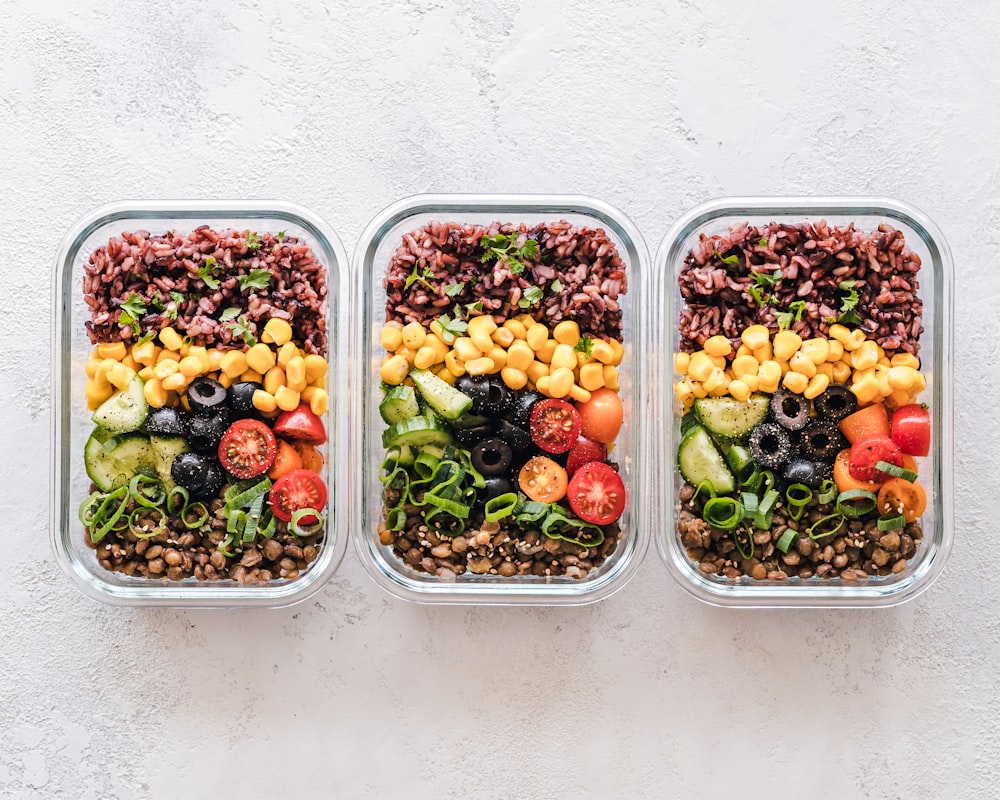
Designing Your First Stabilizing Breakfast
Learn how to construct a morning meal that prevents the 10 AM energy crash. We break down protein portions, fiber sources, and timing strategies that research shows most effectively stabilize glucose throughout your morning.
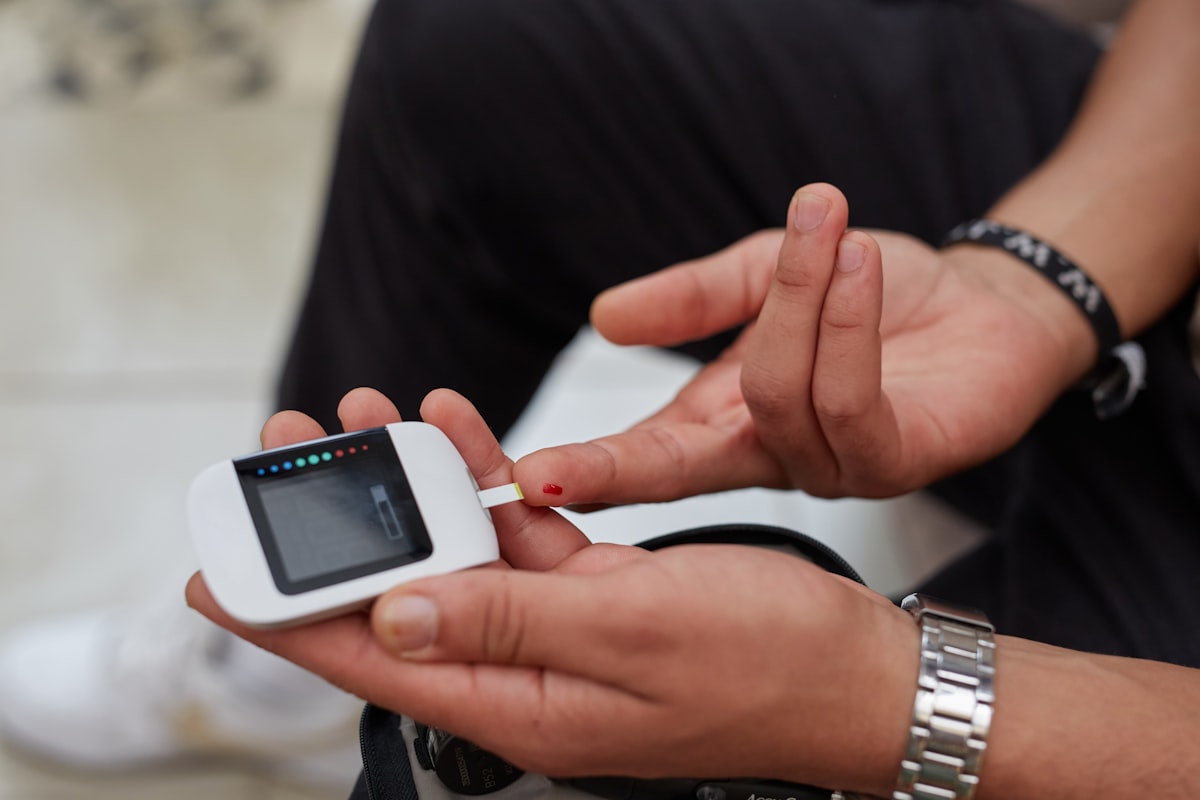
The Science of Post-Meal Movement
Why a 10-minute walk after eating is one of the most powerful tools for blood sugar control. We explore muscle glucose uptake, timing windows, and how even light activity dramatically reduces glycemic peaks without gym equipment.
Sleep Deprivation and Glucose Regulation
How poor sleep directly impairs your body's ability to manage blood sugar. Discover the hormonal cascade triggered by insufficient rest and practical sleep hygiene strategies that support stable glucose and daytime energy.
Ready to Understand Your Blood Sugar?
Explore our comprehensive guides and stay updated with the latest research on glucose stability. Our editorial team regularly publishes new insights backed by science, without marketing hype.
Questions About Our Content?
Send us feedback about our articles or content suggestions
Frequently Asked Questions
Get answers to common questions about our programs and services.
How long does it take to see results?
Most participants begin noticing improvements in energy levels and cravings within 2-3 weeks. Significant metabolic changes typically occur within 8-12 weeks of consistent practice.
Can I follow this program while on medication?
Our programs are designed to complement medical care. We always recommend consulting with your healthcare provider before making significant dietary changes, especially if you're on diabetes or other medications.
What if I have dietary restrictions?
Our programs are highly customizable. Whether you follow vegetarian, vegan, gluten-free, or other dietary patterns, we can adapt the habits and recommendations to suit your needs.
Is there a money-back guarantee?
Yes! We offer a 30-day satisfaction guarantee. If you're not seeing the results you expected, contact us for a full refund—no questions asked.
Do you offer group coaching or corporate programs?
Absolutely! We provide customized group coaching sessions and corporate wellness programs. Contact our team to discuss options tailored to your organization's needs.
How much ongoing support is included?
All our programs include email support and access to our community resources. Premium packages include monthly coaching sessions and personalized nutrition guidance.
Ready to Transform Your Relationship with Sugar?
Join hundreds of people who've already taken control of their health and built sustainable habits that last.